Monday, August 3, 2020

Keep Your Dog Safe In The Water This Summer

The post Keep Your Dog Safe In The Water This Summer by Sassafras Lowrey appeared first on Dogster. Copying over entire articles infringes on copyright laws. You may not be aware of it, but all of these articles were assigned, contracted and paid for, so they aren't considered public domain. However, we appreciate that you like the article and would love it if you continued sharing just the first paragraph of an article, then linking out to the rest of the piece on Dogster.com.

Water-loving dogs don’t usually have the ability to make a decision about if the water is safe for them. Whether hitting the beach or spending the afternoon in your backyard, with some safety precautions, you and your dog can safely have fun in the water this summer. 

Dr. Jamie Richardson, Medical Chief of Staff at Small Door Veterinary, advises dog guardians to  “avoid water that has a fast-moving current, large waves or rip current or undertow warning.” If you are at the beach with strong waves or near fast-moving water, keep your dog leashed to you to ensure that your dog stays out of the water. 

Doggy flotation devices (DFD)(doggy life jackets)

Having your dog wear a flotation device is extremely important. Even strong swimmers can benefit from them. 

“I would recommend that all dogs wear life jackets when they are on any type of watercraft. Equally, it is a good idea to keep a life jacket on your dog if they are swimming in the ocean, on the off-chance that they get caught in a rip current or undertow,” says Dr. Richardson.

In addition, puppies, senior dogs and brachycephalic breeds of any age should always wear properly fitted flotation devices anytime they are near water, including backyard swimming pools, lakes, rivers, or the ocean. 

Water intoxication 

Many dogs love water, but it is possible for there to be too much of a good thing. Water Intoxication occurs when dogs drink too much water. It is most common with dogs who are playing in freshwater on hot days. 

“This may particularly occur when they swim after balls, as they can ingest quite a lot of water this way,” says Dr. Richardson. 

Vomiting, difficulty breathing, seizures, loss of coordination are all symptoms of water intoxication. 

“Water intoxication can cause an electrolyte imbalance, which, at the worst end of the spectrum, can lead to brain swelling,” says Dr. Richardson. 

It’s a good idea to limit how long your dog is allowed to play in the water, especially on hot days. If your dog becomes ill after playing in water, contact your vet right away. 

Dangerous algae

Be cautious about the safety of the water you allow your dog to swim in. Blue-Green Algae is fatal to dogs and very common in areas across the country. 

Dr. Richardson warns, “Algal blooms are particularly dangerous to dogs as these contain cyanotoxins that affect the nervous system and/or the liver (depending on the species of algae). Ingestion of these while swimming or from drinking contaminated water can very rapidly result in gastrointestinal symptoms such as vomiting and diarrhea, as well as seizures, liver failure and death.”   

Avoid any ponds, lakes, or rivers with evidence of algae blooms. 

“The blooms can often be seen as a blue/green, slime-like discoloration of the water or collections of algae on the surface of the water,” says Dr. Richardson. 

Unfortunately, these blooms are not always visible. Before heading out to enjoy a day in the water with your dog, check for any notices about water quality that may be posted on public bodies of water like lakes and rivers. Check with local news and parks department websites for any water advisories. 

Top Photo: Ирина Мещерякова/Getty Images

Read Next: 6 Water Games to Play With Your Dog This Summer

The post Keep Your Dog Safe In The Water This Summer by Sassafras Lowrey appeared first on Dogster. Copying over entire articles infringes on copyright laws. You may not be aware of it, but all of these articles were assigned, contracted and paid for, so they aren't considered public domain. However, we appreciate that you like the article and would love it if you continued sharing just the first paragraph of an article, then linking out to the rest of the piece on Dogster.com.

Via Dogster https://www.dogster.com
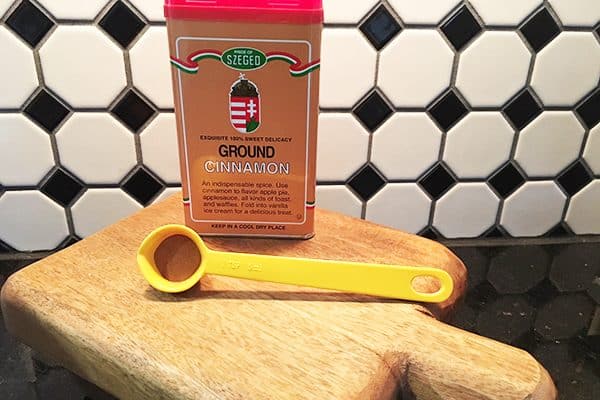
Can Dogs Have Cinnamon? What to Know About Cinnamon for Dogs

The post Can Dogs Have Cinnamon? What to Know About Cinnamon for Dogs by dogedit appeared first on Dogster. Copying over entire articles infringes on copyright laws. You may not be aware of it, but all of these articles were assigned, contracted and paid for, so they aren't considered public domain. However, we appreciate that you like the article and would love it if you continued sharing just the first paragraph of an article, then linking out to the rest of the piece on Dogster.com.

Of all the items in my pantry, the one I never want to run out of is cinnamon. My dogs and I enjoy this amazing, deliciously fragrant spice every single day of the year. The dogs get cinnamon sprinkled over their food at every meal. I like it in and on everything from yogurt, lemonade and chai tea to vegetable curry, baked apples and rice pudding. Not only does cinnamon smell and taste great — cinnamon for dogs has many health benefits, as we’ll see below.

Cinnamon.

Is cinnamon for dogs healthy? Photography courtesy Melissa L. Kauffman.

First — What is cinnamon and where does it come from?

Before we discuss the benefits of cinnamon for dogs, let’s talk about cinnamon itself. Cinnamon is a small tree that grows in India, Sri Lanka, Indonesia, Brazil, Vietnam and Egypt; its bark is dried and rolled into cinnamon sticks (also called quills), then ground into powder.

There are four varieties of cinnamon, but Ceylon cinnamon (its Latin name is Cinnamomum verum) and Cassia cinnamon (Cinnamomum cassia) are the most popular; Ceylon, also called true cinnamon, is sweeter, lighter in color, and more expensive than Cassia, which is the darker type of cinnamon more commonly found in supermarkets and Starbucks. Whichever variety you choose, it’s definitely worth it to spend a bit more on organic cinnamon — it’s even more wonderfully fragrant than its non-organic counterpart.

Traditionally, cinnamon has been used around the world to remedy flatulence, nausea, diarrhea and painful menstrual periods. It’s also believed to boost energy, vitality, circulation, cognitive function and overall brain health, and to improve the digestion of dairy products.

Cinnamon for dogs may help improve brain function

In one study, sniffing cinnamon was shown to result in improved brain function — test subjects performed better at memory and attention after a whiff of this spectacular spice. So, using cinnamon for dogs may help if you’re working with your dog on learning new tricks.

This spice wards off diabetes in dogs

Recent studies have shown that just half a teaspoon of cinnamon a day helps to regulate blood sugar and raise insulin resistance; it actually boosts the body’s ability to use insulin to improve blood glucose levels. This is vital for anyone at risk for diabetes — and that includes senior and overweight dogs. So in addition to feeding a low glycemic index dog food, another good use of cinnamon for dogs is in your pup’s food bowl!

Cinnamon for dogs helps stave off yeast infections

Other studies reveal that cinnamon is anti fungal; it works to combat Candida albicans, the fungus that causes yeast infections. These infections often resist medication, but not cinnamon. (Dogs who have allergies are susceptible to yeast infections).

Keep your dog food fresher for longer with cinnamon

Cinnamon is also antibacterial, and slows down the spoilage of food. When I have to store part of a can of dog food overnight, I’ll sprinkle half a teaspoon of cinnamon over it before refrigerating (on a side note, never refrigerate dog food in the can — to preserve palatability, spoon it into a glass storage container with a plastic top). Researchers at Kansas State University found that cinnamon even prevents the growth of E. Coli bacteria in unpasteurized juices! So for safety’s sake, be sure to add some cinnamon to your raw apple cider.

Cinnamon for dogs helps with arthritis

An anti-inflammatory, cinnamon for dogs is great for senior pups struggling with arthritis. With my K9 seniors, I’ve had great results mixing a half-teaspoon of cinnamon with a tablespoon of honey. This is the recipe used by researchers at Copenhagen University, where arthritis patients were able to walk without pain after just a week of taking cinnamon with honey every day. Yet more studies show that cinnamon can lower blood pressure and LDL cholesterol, and slow the growth of leukemia and lymphomacancer cells.

Words of caution about cinnamon and dogs—

  • Cassia cinnamon (the darker, more common type) contains a compound called coumarin, which can damage the liver at high levels. One more reason to use Ceylon cinnamon instead! But Cassia cinnamon for dogs is safe as long as you don’t overdo it; a teaspoon or so every day with food will still be beneficial in all the ways described above, but won’t give you or your dog nearly as high a dose as the higher concentration found in, say, a cinnamon supplement capsule (which would contain a substantially higher amount of coumarin).
  • Cinnamon has a mild anti-clotting effect on the blood, so too much can cause bleeding problems if a person is on blood-thinning medication such as aspirin. And pregnant women (or dogs) should not take too much cinnamon, as it may have a stimulating effect on the uterus.

But in small amounts — half a teaspoon at every meal — cinnamon for dogs obviously does a lot more good than harm. Enjoy!

Thumbnail: Photography ©chendongshan | Thinkstock.

Read more about the benefits of human foods for dogs on Dogster.com:

The post Can Dogs Have Cinnamon? What to Know About Cinnamon for Dogs by dogedit appeared first on Dogster. Copying over entire articles infringes on copyright laws. You may not be aware of it, but all of these articles were assigned, contracted and paid for, so they aren't considered public domain. However, we appreciate that you like the article and would love it if you continued sharing just the first paragraph of an article, then linking out to the rest of the piece on Dogster.com.

Via Dogster https://www.dogster.com

Friday, July 31, 2020

Don’t Shave That Dog

The post Don’t Shave That Dog by Sassafras Lowrey appeared first on Dogster. Copying over entire articles infringes on copyright laws. You may not be aware of it, but all of these articles were assigned, contracted and paid for, so they aren't considered public domain. However, we appreciate that you like the article and would love it if you continued sharing just the first paragraph of an article, then linking out to the rest of the piece on Dogster.com.

When the weather gets warm, it can be tempting to have your dog’s coat clipped down to keep him cooler. While “less fur keeps a dog cooler” sounds like common sense, this isn’t always the case. Not all dog fur is created equal and shaving or cutting the fur of some breeds of dogs can damage their coat for life.

Know your dog’s coat type

It’s important to know what type of coat your dog has in order to groom appropriately. If you have a purebred dog, your local or national breed club has a wealth of information about how to care for your dog’s fur type. If you have a mixed breed dog, talk with your vet about what kind of coat your dog has. Knowing if your dog is single or double-coated helps to make decisions about how to groom your dog.

“Single-coated breeds of dog such as Poodles, Kerry Blue Terriers, Portuguese Water Dogs, and Bichon Frise can be repeatedly clipped short because the shaving process does not change the texture of their hair,” says AKC’s Chief Veterinary Officer Dr. Jerry Klein. “The hair will just keep growing and the texture and color will be unaffected.”

The same is not true for double-coated breeds.

Photo: Koldunov/Getty Images

Double-coated dogs 

Dr. Jamie Richardson, Medical Chief of Staff at Small Door Veterinary, explains that double-coated breeds of dogs “actually have two types of hair — the outer ‘guard’ hair and the inner, soft undercoat.”

Most people have good intentions when they shave down a dog in the, summer wanting to help the dog feel cooler, but for double-coated dogs a summer cut might have the opposite effect.

“Shaving a double-coated dog removes the all the long protective guard hair and much of the undercoat leaving little undercoat for protection. This shaved coat doesn’t protect against the sun, which exposes your dog to greater risks of the sun: overheating, sunburn and possibly even skin cancer,” says Dr. Klein. Unless your dog has an underlying skin condition and your veterinarian recommends shaving your double-coated dog down for medical reasons, this is something that you will want to avoid doing.

Double coated dogs include Newfoundlands, Bernese Mountain Dogs, Akitas, Shetland Sheepdogs, Pomeranians, Australian Shepherds, German Shepherd Dogs, Golden Retrievers among many others. The fur of double-coated dogs can be damaged when it is cut or shaved, and the impact can be long-term.

“When you shave a double-coated dog, you risk the coat growing back patchy or, in some cases, not at all – called post-shaving alopecia” describes Dr. Richardson.

Keeping double-coated dogs cool

Although the coat may look like it would be hot, double-coated dogs’ fur is naturally designed to help keep them cool. Dr. Richardson explains, “ The guard hair helps to keep the pet cool by helping circulate cool air to the skin.”

Double-coated dogs are known to have sensitive pale pink skin under all that fur making them very susceptible to sunburn if their fur is cut short. “Guard hairs reflect the sun’s rays, protecting the skin from the sun,” notes Dr. Klein on why it’s so important for double-coated dogs to not be shaved. Grooming should be a regular part of life for all dogs and especially double-coated dogs. “Keeping your dog well-groomed and free of larger mats is the best way to manage your dog’s coat any time of the year, but especially in the summer months,” advises Dr. Klein.

You want to give your dog a thorough brushing multiple times a week. And as dogs sweat from the bottom of their paws, pay special attention to your dog’s feet when you’re grooming him. Keeping the paw hair, especially fur between the paw pads, well-trimmed help to keep your dog cooler.

Beyond keeping your dog’s coat well-groomed and free from mats, the best way to keep your dog cool in the summer is to help your dog to avoid the heat. Always provide fresh, cool water for your dog and never leave your dog unattended in a car or outside. Being inside and in air conditioning during the heat of the day is best for all dogs. If you want to take your dog for a walk during the summer months, go out early in the morning or later in the evening once the sun is down and the pavement has cooled off.

Top photograph: tzahiV/Getty Images

Read Next: 10 Summer Dog Gear Items to Keep Your Pup Safe & Happy

The post Don’t Shave That Dog by Sassafras Lowrey appeared first on Dogster. Copying over entire articles infringes on copyright laws. You may not be aware of it, but all of these articles were assigned, contracted and paid for, so they aren't considered public domain. However, we appreciate that you like the article and would love it if you continued sharing just the first paragraph of an article, then linking out to the rest of the piece on Dogster.com.

Via Dogster https://www.dogster.com

Thursday, July 30, 2020

6 Water Games to Play With Your Dog This Summer

The post 6 Water Games to Play With Your Dog This Summer by Sassafras Lowrey appeared first on Dogster. Copying over entire articles infringes on copyright laws. You may not be aware of it, but all of these articles were assigned, contracted and paid for, so they aren't considered public domain. However, we appreciate that you like the article and would love it if you continued sharing just the first paragraph of an article, then linking out to the rest of the piece on Dogster.com.

Summer is here and for many of us, that involves enjoying the water with our dogs! If you and your dog are looking for ways to add more water fun into your summer days, check out these water-based games and activities.   

Baby pool:  If you have a yard or patio, set up a baby pool for your dog. Even dogs who don’t enjoy swimming often enjoy wading in a shallow baby pool. Avoid inflatable pools and stick with hard plastic baby pools or pools specifically made for dogs. 

Sprinkler chase: Remember how fun it was to run through a sprinkler when you were a child? Many dogs enjoy this game as well. Add some fun and water the grass at the same time by pulling out your rotating sprinkler. Your dog might enjoy chasing the water back and forth, just make sure your dog doesn’t get frustrated and try to bite the hose or sprinkler itself. 

Fetch: For dogs who enjoy playing fetch, adding in a water component can bring the game to the next level! Use toys that float and start by tossing them into the baby pool and encourage your dog to retrieve it. 

Floating/surfing: Surfs up! Do you think your dog might like surfing? It’s a fun activity that dogs of any size can enjoy. With supervision, pool rafts specially made for dogs, or even some intended for children, can work well. Introduce your dog to the float slowly out of the water and then in shallow water. Next level: consider teaching your dog to surf! 

Related: Surfing Dogs — How to Teach Your Dog to Surf 

Dunk and Find:  In a shallow baby pool or calm shallow water, drop in a toy that doesn’t float or a treat to encourage your dog to stick his face in the water to retrieve it. This game is excellent for dogs who enjoy wading and even dogs who might be uncertain about getting their feet wet. 

Dock diving:  Dock diving is one of the fastest-growing sports — dogs jump into pools competing to see what dog can jump the farthest. If you already know your dog enjoys swimming, find a Canine Swim Facility/ Dock Diving event in your area, most of which offer practice sessions and the opportunity to work with a dog swimming trainer. 

Top Photograph:  stevecoleimages/Getty Images

The post 6 Water Games to Play With Your Dog This Summer by Sassafras Lowrey appeared first on Dogster. Copying over entire articles infringes on copyright laws. You may not be aware of it, but all of these articles were assigned, contracted and paid for, so they aren't considered public domain. However, we appreciate that you like the article and would love it if you continued sharing just the first paragraph of an article, then linking out to the rest of the piece on Dogster.com.

Via Dogster https://www.dogster.com

Wednesday, July 29, 2020

How To Make Your Dog Famous On Social Media

The post How To Make Your Dog Famous On Social Media by Carol Bryant appeared first on Dogster. Copying over entire articles infringes on copyright laws. You may not be aware of it, but all of these articles were assigned, contracted and paid for, so they aren't considered public domain. However, we appreciate that you like the article and would love it if you continued sharing just the first paragraph of an article, then linking out to the rest of the piece on Dogster.com.

The internet is full of canine temptations, and it’s really easy to get lost down the rabbit hole that is social media. We move at the speed of light, and you’ve got less than five seconds — the attention span of a goldfish — to capture someone’s attention online. Instagram visuals stop people in their tracks, YouTube adds an actionable component and blogs bring it home by solving problems.

If you’re a creative dog owner who wants to get involved in the dog influencer game, here are some insider secrets to social media success along with bonus tips from pros who are leading the pack.

Hannah Zulueta runs the Instagram account @MaggieLovesOrbit about the adventures of her too-cute Boston Terriers. Check out her accompanying blog at maggielovesorbit.com.

Pick a lane and stay in it.

Don’t try to be on every social platform because “everyone else is doing it.”

Pets are enjoying a level of social media fame previously reserved for human celebrities, and starting an Instagram account for your pet is easy. Using strategy, planning and social media skills, your pet could be the next big thing.

Hannah Zulueta runs the popular Instagram account @MaggieLovesOrbit and its accompanying blog. Her best tip for evergreen success is to be real and authentic. She imagines having a conversation with her grandma, a nephew, significant other or best friend.

“For example,” she muses, “They ask, ‘How was your day?’ To which I respond, ‘You’ll never believe what happened today … we went to the beach, and the girls ate a crab. I let them eat it. And then later on OMG I learned it might be bad. But then I realized the dime-sized crab they ate wasn’t going to hurt them, so they survived. They had dinner. All is good.’”

Avoid This: Content that appears too staged or a copycat version of someone else’s account. Hannah says that pets are the purest side of humanity, and online content should reflect that.

ennifer Costello created the blog mybrownewfies.com to share stories of her life with Newfoundlands Sherman and Leroy. You can also follow them at @mybrownnewfies.

Pay close attention to the problems of dog owners.

Answer their questions in a succinct way that incorporates SEO (search engine optimization) rules, and you’re on your way to pet blogging success.

Jennifer Costello is the brainchild behind MyBrownNewfies.com, which began as a labor of love for her dogs Sherman and Leroy. She makes a living as a pet blogger and pays close attention to the questions her readers ask on social media.

“I see what challenges they face with their Newfs and write a blog post tailored to that challenge or question,” Jennifer shares. “I share that post to all my social media sites, send it to my email subscribers and post it in my Newfoundland Dog Support Community Facebook group.”

Avoid This: Bashing brands or other people online. A digital trail follows everyone even if you delete the content after publishing. People take screenshots, and digital words live forever. Write as if your words are going to appear on a billboard in Times Square. Rants are fine for chats with friends, but keep it real when it comes to online content.

Jessica Hatch wanted to show what life with your dog could and should be like with snow dog breeds like Huskies, so she created the YouTube channel
Gone to the Snow Dogs. You can also follow her @gonetothesnowdogs.

Teach or entertain but avoid making it all about you

People visit YouTube to learn or to be entertained. You can learn to do just about anything on YouTube, including tips to help dog owners.

Jessica Hatch runs the wildly successful YouTube channel, Gone to the Snow Dogs. Her success lies in having a passion and creating content around that passion.

“Regular uploads matter, whether daily, weekly or monthly,” Jessica says. “Be consistent so people will know when to expect content from you.”

Her YouTube channel success didn’t happen overnight, and she recommends not forcing content in order to avoid burnout.

“Nail down your goals and channel mission and create content around those things,” Jessica recommends.
avoid this: “Me, me, me” syndrome. Become a storyteller, not a story seller: A successful social media post or YouTube post includes a captivating image/video + engaging text + proper timing + hashtag strategy + engagement + rinse and repeat. You need not be Shakespeare, but you need to have a good grasp of how to tell a story to your audience.

Decide on love, money or both

In Pet Blogging for Love & Money, the book I co-authored with Maggie Marton, we stress the importance of establishing goals before starting any social media or blogging process.
Goals are as unique as mixed breeds, and no two are alike. Here are a handful of imaginary blog goals for example:

  • Double your email list
  • Sell 500 copies of an e-book
  • Land two brand partnerships
  • Start a TikTok channel
  • Increase visitors/followers by 20% in six months’ time.

Avoid This: Trying to do it alone. There is strength in numbers and power in community. For example, the right Facebook groups can be one of the best investments of time you’ll make. If you are a veteran to blogging, reassessing your present Facebook groups and their importance is something you should do at least once or twice a year.

Network, network, network

As a long-time successful dog blogger, in-person networking and making connections has been a key staple to my success. I meet someone at a conference, we talk and develop a relationship, and perhaps move forward and work together. I stop at a booth at a pet industry trade show, exchange business cards (yes, that’s still a thing), follow up, and later we work together. I develop writing relationships with published authors at Dog Writers Association of America events. I later pitch to editors. See how it works?

Online success is a lot like dog training. It takes consistency, loyalty, patience, time and commitment, but the rewards are worth the wait. Most dogs want nothing more than to please us, their humans, and social media success is similar. Pet blogging and social media growth is a marathon, not a sprint, so keep that in mind as you start or continue your path to e-success.

Featured photograph: Hannah Zulueta runs the Instagram account @MaggieLovesOrbit about the adventures of her too-cute Boston Terriers. Check out her accompanying blog at maggielovesorbit.com.

The post How To Make Your Dog Famous On Social Media by Carol Bryant appeared first on Dogster. Copying over entire articles infringes on copyright laws. You may not be aware of it, but all of these articles were assigned, contracted and paid for, so they aren't considered public domain. However, we appreciate that you like the article and would love it if you continued sharing just the first paragraph of an article, then linking out to the rest of the piece on Dogster.com.

Via Dogster https://www.dogster.com

Tuesday, July 28, 2020

Keep Your Senior Dog Sharp

The post Keep Your Senior Dog Sharp by Paul J. Kearney appeared first on Dogster. Copying over entire articles infringes on copyright laws. You may not be aware of it, but all of these articles were assigned, contracted and paid for, so they aren't considered public domain. However, we appreciate that you like the article and would love it if you continued sharing just the first paragraph of an article, then linking out to the rest of the piece on Dogster.com.

Enrichment activities for our dogs are like a daily crossword or Sudoku puzzle for ourselves to keep our minds fluid. The idea behind enrichment is to take something and add something extra pleasing to it to make or allow the activity to be enjoyed even more.

When are dogs seniors?

Dogs are considered seniors at different ages depending on size. According to the American Veterinary Medical Association, larger dog breed dogs tend to have shorter life spans compared to smaller breeds. Although it varies, dogs can be considered seniors at age 7, with large breed dogs like Great Danes being considered seniors at age 5 or 6.

In my approach as a trainer, this is how I break it down: Small breeds are seniors around 10 to 12 years old, medium-size breeds are seniors around 8 to 9 years old, and large and giant breeds are seniors around 6 to 7 years old. Dogs of this senior age group are entering a part of life where enrichment activities and mental stimulation is of vital importance for a cognitively fluid lifestyle well into their elder (geriatric) years.

Related: 6 Things to Love About Senior Dogs

Providing mental stimulation with enrichment activities is one way to meet our dogs’ cognitive needs. For our senior dogs, this is one great way of proactively keeping canine cognitive dysfunction syndrome (CCDS) at bay. Providing enrichment activities has shown to reduce the incidence and severity of CCDS.

senior dogs

Providing mental stimulation with enrichment activities is one way to meet our dogs’ cognitive needs. Photo: Photoboyko | Getty Images

Enrich through feeding

Each meal is an opportunity to engage the brain. Foraging activities promote cognitive function and positive feelings of being fed in a way that involves more than just consumption. One way to create a foraging activity is to portion out our dogs’ daily rations into meals presented in products they eat the food out of or from something that engages the brain and promotes cognitive function. Here are some examples.

There is nothing like a snuffle mat for enrichment feeding for seniors. It’s easy for all dogs to do. You can either make one at home or purchase one. Photo: Melissa L Kauffman

Snuffle mat: This is my favorite food enrichment activity for seniors. Snuffle mats are easier to learn how to use than a lot of other enrichment activities. A snuffle mat is a homemade or bought toy that provides dogs with an opportunity to sniff and search for hidden treats. It typically consists of fleece strips tied on to a mat.

Just place the kibble or other dry food in between the loose ends of the fleece, which provide the hiding spots for the food. Snuffle mats provide a way to feed dogs using their natural desire to forage for their meals.

For raw feeders, snuffle mats can be loaded with dehydrated proteins. I make my own by thinly slicing proteins and placing them on racks in my oven at 175 degrees Fahrenheit for eight hours. I break up this homemade jerky and sprinkle that on top of and into the snuffle mats for my dogs to forage from.

Supervise any dog with a snuffle mat. Pick it up as soon as the dog is finished, so he won’t be tempted to go for the fabric and turn this feeder into a chew toy. If you have multiple dogs and one is a food resource guarder, do this with the dogs in separate rooms. Do not allow the snuffle mat to be around both dogs at the same time, as it can cause a fight.

Hide and seek: Dogs love to search for treasure, and it’s an awesome game to replicate in the home, plus it’s a fun way to feed them. Start by portioning out one meal into multiple containers, and hide them in one or two rooms of your home instead of just putting the food in one bowl. For those of you who do this, make this new activity easier for your dog by prompting him on a tour of where you hid the food treasures. Every time your dog finds each stash of food, mark that with the verbal cue “Find it.” After a couple of times of prompting your dog to find things and marking when he does, move on to letting him search on his own after you ask him to go find his treasure with the verbal cue “Find it.” For treats, you can use cups and let the dog figure out which cup the treat is under.

Related: Stuck At Home? Play This Indoor Game With Your Dog

Scatter feeding: A really low-level introduction to scattered feeding, and one super easy way to do a searching game, is to take your dog’s food and toss it up in the air. Let it spill all over the ground for your dog to find each piece individually. You can do this on the patio, in the grass, (as long as it’s not treated with chemicals) or in the kitchen.

The wider the scatter and the longer the search, the more fun will be had. Scatter feeding can also be done in and contained to a large cardboard box that your dog can reach into. Place a bunch of objects your dog cannot swallow in the box, like toys and an old towel, and sprinkle the food on the objects in the box. Your dog can root around through them to find food.

senior dogs

Swimming is a great low-impact activity for senior dogs. Photo: WasittT | Getty Images

Get moving

Swimming is excellent physical enrichment for our senior dogs. Swimming pools, slow-moving rivers and lakes that are free of green algae are safeplaces to take your dog swimming. Swimming works the whole body and is low impact. Even wading is amazing for our dogs, as the environment is always offering new sights, smells and sounds. (Note: Senior dogs and brachycephalic dogs should always wear flotation devices for safety.) There are also assisted swimming hydrotherapy centers specifically for dogs, usually used in rehabilitation from injuries, and all of these facilities also have programs for senior dogs.

Sniff this

Sniffaris are special walks (or parts of walks) where the dog picks where to go (as long as the environment and direction he chooses is safe.) Go at your dog’s pace, and let him stop and gather information from everything he can safely smell. Olfactory, visual and auditory enrichment can be particularly beneficial for our older dogs that have mobility issues. Allowing them to stop and smell as much as they choose to is a great way to engage their brains while out having this physical-fitness fun with you.

Dogs with more severe mobility issues can also be taken on walks in a small kid’s wagon or dog stroller, so they also can benefit from olfactory, visual and auditory enrichment without stressing their joints. This is a great way of getting out and about for our older dogs that don’t have the stamina they once used to. Gathering scent is a great thalamus workout — that’s the part of the brain that relays sensory information.

senior dogs

Take dogs with mobility issues on a walk in a stroller or wagon so they can enjoy the smells, sights and sounds. Photo: Melissa L Kauffman

Still agile

Seniors can still enjoy agility. Set up short courses in your yard to get your senior motivated to interact with you and have some good movement going through obstacles that are less stressful on the joints and are set at easier levels to accommodate aging bodies. Use pool noodles or bars on the ground for your dog to walk over instead of jumping over. Use a child’s play tunnel for your dog to go through. Create weave poles using orange cones or poles stuck in the ground set far apart from each other. As they improve, decrease the distance between each cone or pole. You can also make an obstacle course out of items in your home — couch cushions, cones, broom handles, Hula- Hoops or anything that you can set up for your dog to go over and around. Get creative, have fun and, most importantly, ensure that your dog is having fun.

Living a life full of enrichment greatly benefits our dogs. It benefits how they engage with the world, it benefits how they think and interpret each experience, and it benefits our relationship with them. Some of the greatest memories I have are stopping and smelling the roses with my dogs.

Featured photograph: MathewHayward | Getty Images

Read Next: We Love These Portraits of Senior Dogs and Their People

The post Keep Your Senior Dog Sharp by Paul J. Kearney appeared first on Dogster. Copying over entire articles infringes on copyright laws. You may not be aware of it, but all of these articles were assigned, contracted and paid for, so they aren't considered public domain. However, we appreciate that you like the article and would love it if you continued sharing just the first paragraph of an article, then linking out to the rest of the piece on Dogster.com.

Via Dogster https://www.dogster.com

Monday, July 27, 2020

What To Do If Your Dog Won’t Pee

The post What To Do If Your Dog Won’t Pee by Jennifer Lesser appeared first on Dogster. Copying over entire articles infringes on copyright laws. You may not be aware of it, but all of these articles were assigned, contracted and paid for, so they aren't considered public domain. However, we appreciate that you like the article and would love it if you continued sharing just the first paragraph of an article, then linking out to the rest of the piece on Dogster.com.

Just like humans, most dogs have a daily routine when it comes to eating, sleeping — and, of course, relieving themselves. So, when dog parents notice that a dog won’t pee — or seems to be straining — it can definitely be a cause for concern.

“Dogs often have very different urinary habits based on owner’s schedules, their access to outdoors, and the presence of any other underlying health conditions that might increase their need to urinate,” explains Dr. Katherine Scott, DVM, a veterinarian with VCA Alameda East in Colorado. “Since there’s no rule as to how many times per day a dog should urinate, it’s important to learn your own dog’s habits.” 

A dog squatting to pee or poop on the grass.

So, your dog won’t pee? Here’s what to do next. Photography © Wavetop | iStock / Getty Images Plus.

Thinking That Your Dog Won’t Pee? Here’s How to Tell if Your Dog Truly Isn’t Peeing

According to Dr. David Dilmore, DVM, a veterinarian with Banfield Pet Hospital, when a dog won’t pee or a dog is straining to urinate, pet owners should look for their abdominal muscles tightening or a change in posture when they get in their normal position to relieve themselves.

“Straining to urinate may look like the dog attempting to urinate multiple times in a short amount of time with little to no urine coming out,” adds Dr. Dawn Spangler, DVM, assistant professor of shelter medicine at Lincoln Memorial University College of Veterinary Medicine in Tennessee. “If the dog is having difficulty urinating and is possibly obstructed, they may begin to look bloated as their abdomen may be starting to distend … and an owner may even notice the dog crying out when trying to urinate if they’re in pain.”

In some cases, only a small amount of urine will come out. Or they’ll urinate a small amount in one area and then move to another area and do the same. “Other signs your dog might be straining to urinate can include accidents in the house that are out of character for him, urinating more frequently or blood in the urine,” Dr. Dilmore adds. “If you see any of these symptoms or notice something is ‘off’ with your pet, it’s important to take your dog to see a veterinarian. Straining can be uncomfortable for your dog and these symptoms can be caused by underlying medical issues.”

What If Your Dog Won’t Pee at All?

And what if your dog won’t pee — not even a little bit? According to Dr. Scott, urine habits represent water balance in the body, which is why any change might be cause for concern. “Usually dogs have fairly specific patterns to urination … so if that pattern changes, there may be a problem,” she says. “If it just seems as though your pet is urinating less than they usually do, it could be a sign of dehydration … and should always be investigated if they seem to feel poorly in any other way.”

Other warning signs to look out for include an increase or decrease in urinations per day, increase or decrease in volume of urine per urination, or any change in the color of the urine to be lighter or darker. “These would all warrant further investigation with your veterinarian,” Dr. Scott adds. “If a dog is straining frequently and cannot seem to void their bladder, this is a medical emergency and should be addressed as soon as possible to prevent bladder rupture.”

What Causes a Dog to Stop Peeing Normally?

According to Dr. Dilmore, when a dog won’t pee or is straining to urinate, it can be a sign of a urinary tract infection (however, a UTI might be challenging to diagnose, since some dogs have no symptoms and will sometimes just drink more water than normal), bladder stones, kidney disease or an obstruction that’s affecting the outflow of urine. “If your pet is struggling or not able to urinate at all, you should take them to see a veterinarian immediately,” he warns. “A backup of urine can prevent the kidneys from being able to filter blood, which can potentially lead to severe and life-threatening electrolyte abnormalities.”

Dr. Scott says the most common cause of a urinary obstruction is urinary stones, but tumors or irregular muscular contractions can also cause these problems. Dogs with bladder irritation or infections very commonly strain to urinate, but are able to void their bladders completely. “It often requires a veterinarian to feel a dog’s bladder to know if it is too large or if it is a normal size,” she explains.

Diagnosing a Dog Who Won’t Pee

If your dog won’t pee, your veterinarian might perform tests including a urinalysis, urine culture, blood work, x-rays and/or ultrasound. “Treatment will vary based on the individual pet and the underlying cause of straining, but could include antibiotics, diet changes or even surgery,” Dr. Dilmore adds.

Dr. Spangler explains that urinalysis will assess for bacteria, crystals, abnormal cells, pH and the concentration of the urine. Radiographs may be done if there’s suspicion of a stone somewhere in the urinary tract. Ultrasounds can be used to rule out tumors in the bladder and prostate. Your veterinarian may run blood work if they suspect a metabolic issue, such as a portosystemic shunt causing stones, particularly in younger dogs.

The Bottom Line on What to Do If a Dog Won’t Pee or Has Trouble Peeing

“If there’s concern that your dog is urinating less frequently or straining to urinate, you should seek medical care as soon as possible with your veterinarian,” Dr. Spangler concludes. “The inability to urinate is a life-threatening emergency and needs treatment as soon as possible to relieve any obstruction.”

Thumbnail: Photography ©Artnature/Thinkstock.

Read Next: Why Is Your Dog Peeing on the Bed? Taking a Look at Hormone-Responsive Urinary Incontinence

The post What To Do If Your Dog Won’t Pee by Jennifer Lesser appeared first on Dogster. Copying over entire articles infringes on copyright laws. You may not be aware of it, but all of these articles were assigned, contracted and paid for, so they aren't considered public domain. However, we appreciate that you like the article and would love it if you continued sharing just the first paragraph of an article, then linking out to the rest of the piece on Dogster.com.

Via Dogster https://www.dogster.com