Friday, March 20, 2020

Get Your Dog Ready for Spring! How to Prep for Seasonal Parasites, Diseases and Allergies

The post Get Your Dog Ready for Spring! How to Prep for Seasonal Parasites, Diseases and Allergies by Arden Moore appeared first on Dogster. Copying over entire articles infringes on copyright laws. You may not be aware of it, but all of these articles were assigned, contracted and paid for, so they aren't considered public domain. However, we appreciate that you like the article and would love it if you continued sharing just the first paragraph of an article, then linking out to the rest of the piece on Dogster.com.

Springtime ushers in such pleasantries as the welcome sight of butterflies doing ballet-like moves in the sky, the sweet fragrance of flowers blooming and the sounds of happy birds chirping. But there is a dangerous, dark side to spring, especially for your dog.

Unchecked and unprotected, your dog can be bombarded by fleas and ticks as well as develop heartworm, leptospirosis, Lyme disease and, yep, hot spots.

Fortunately, help is here. For starters, Dogster sought answers from arguably the world’s leading authority on fleas and ticks — Michael Dryden, DVM, PhD, aka Dr. Flea. He earned what is believed to be the world’s first doctorate degree in the study of fleas from Purdue University nearly 30 years ago and has been the go-to expert testing the generations of flea and tick preventives on the market ever since.

“Many medications today that deal with fleas, ticks and heartworm disease work well, but the best one is the one that the dog owner uses consistently,” says Dr. Dryden, distinguished professor of veterinary parasitology at Kansas State University in Manhattan, Kansas. “We need to get away from a seasonal approach to controlling parasites and get into the habit of using preventives year-round on dogs no matter where you live.”

Fending off fleas and ticks

Fleas are hardy survivalists. Consider these flea facts: Flea eggs can drop out of the hair of a
trespassing raccoon or opossum in your backyard and survive for eight weeks and then land on your dog. A female flea that lands on your dog can lay up to 50 eggs a day.

Fleas can put your dog at risk of developing anemia, flea allergy dermatitis, tapeworm and other conditions.

“The good news is in the war against fleas and ticks, we are in good stead,” Dr. Dryden says. “The new generation of flea and tick products are remarkable at the speed of killing fleas not only when first given, but throughout the duration of the label. The key is following the label instructions and using consistently.”

Just some of these products include chewables NexGard and Bravecto, topicals K9 Advantage II and Frontline Plus as well as Capstar pills and Seresto collars that fend off fleas and ticks for up to eight months when worn properly — not too loose around the dog’s neck.

What about the effectiveness of non-commercial flea/tick products, such as the use of diatomaceous earth, borax or beneficial nematodes (worms) or giving yeast and garlic supplements to dogs to repel fleas and ticks?

“Back in the late 1990s, we went through a battery of tests to try to validate these, but there have been no scientific studies to date that show any significant benefits of these holistic options on fleas and ticks,” Dr. Dryden says.

Photo: andriano_cz | Getty Images

Dogs are at risk for a host of diseases transmitted by ticks, with Lyme disease ranking among the most common type. A tick will attach onto a dog, bite it and release bacteria into the bloodstream, resulting in fever, lameness, joint swelling and enlarged lymph nodes. Untreated, Lyme disease can shut down the kidneys and cause death.

Dr. Dryden urges pet parents to get into the habit of doing a thorough head-to-tail inspection of their dogs after a walk in the woods or heavily treed area. Ticks like to hide in a dog’s lips, ears and between the toes. And, don’t stop checking just because it’s cold outside. Ticks can be active all year long, especially if the temperature is above freezing; deer ticks actually become active after the first frost.

“Ticks are harder to kill than fleas, and a dog can encounter 50 or more ticks from running in the woods,” Dr. Dryden says. “It may surprise people, but ticks are not able to leap, jump or fly. They wait on shrubs, grass and bushes for an animal or person to go by and grab on. They attach within 10 minutes but may take hours to bite and transmit pathogens like Lyme disease.”

He continues, “Using fingernail polish or Vaseline to remove a tick do not work. The best way to remove a tick is to grab it with tweezers close to the skin and pull straight out. Do not twist it. And always wash your hands thoroughly afterward.”

Heartworm is a sneaky disease

The war on heartworm disease continues to be challenging. Untreated, heartworms growing in a dog can cause heart failure, lung damage and death. Cases of dogs infected with heartworm have been reported in every state, according to the American Heartworm Association. People can see a flea or a tick on their dogs and react immediately, but heartworm is more of a hidden disease with clinical signs that develop slowly, Dr. Dryden says. “We need to find a more technology-driven way to remind people to give their dogs heartworm preventives consistently for their entire lives.”

ProHeart 12 is a yearly injectable that prevents heartworm disease. There are also monthly chewable preventives, such as Heartgard Plus and Interceptor Plus as well as topical spot-on medications, such as Advantage Multi Topical Solution and Revolution Topical Solution. All are available as prescriptions from veterinarians.

Dealing with Leptospirosis

A sneaky, dangerous bacteria lurking in your backyard is Leptospira. This hardy bacteria is spread by wildlife exposed to contaminated urine and other sources. It burrows into the skin or is inhaled through the nose and spreads through the bloodstream to damage the kidneys, liver, blood vessels and lungs.

This bacterial infection (leptospirosis) is also zoonotic, meaning your infected dog can infect you, too, if you do not practice good hygiene habits after cleaning up any urine messes in the house made by your dog.

“Even if you use paper towels to clean up the mess, still wash your hands with anti-bacterial soap,” says Mike LoSasso, DVM, emergency medicine veterinarian and chief of staff at Frisco Emergency Pet Care in Frisco, Texas. “Leptospirosis is a very serious disease, especially in people who are immune-compromised. Why take the risk?”

get your dog ready for spring

Photo: Tuff Photo by Victoria Rak; tuffphoto.com

To protect your dog, make sure he receives the leptospirosis vaccine each year.

“This is not a ‘core’ or mandatory vaccine, but I think at this point, it should be,” Dr. LoSasso says.

Stopping the scratch and itch

Some dogs develop environmental allergies that can worsen in the spring and trigger incessant scratching and licking that lead to conditions such as wet scabs on the skin known as hot spots. Flea bites, matted hair and allergic reactions to grasses, molds or pollen can cause hot spots.

Check with your veterinarian for the best treatment plan for your dog. Topical and oral antibiotics or hydrocortisone sprays or creams may be prescribed. Natural options include applying calendula cream or lotion or black tea on the site.

get your dog ready for spring

Photo: ©andriano_cz | Getty Image

Keep your dog from developing a dry, itchy coat by using pet shampoos with safe, mild herbs, and steer away from ones containing harsh chemicals on the ingredient label.

Still not sure how to handle these spring spoilers? Just talk to your veterinarian or seek out a holistic veterinarian if you prefer a more natural approach to guide you. Be prepared, and don’t let spring spring one on you and your dog. Work with your veterinarian to keep these pests, diseases and hot spots as a short spring shower in your otherwise sunny spring days.

Top photograph: Phido Photo

The post Get Your Dog Ready for Spring! How to Prep for Seasonal Parasites, Diseases and Allergies by Arden Moore appeared first on Dogster. Copying over entire articles infringes on copyright laws. You may not be aware of it, but all of these articles were assigned, contracted and paid for, so they aren't considered public domain. However, we appreciate that you like the article and would love it if you continued sharing just the first paragraph of an article, then linking out to the rest of the piece on Dogster.com.

Via Dogster https://www.dogster.com

Thursday, March 19, 2020

Listen to this Dog Podcast

The post Listen to this Dog Podcast by Marybeth Bittel appeared first on Dogster. Copying over entire articles infringes on copyright laws. You may not be aware of it, but all of these articles were assigned, contracted and paid for, so they aren't considered public domain. However, we appreciate that you like the article and would love it if you continued sharing just the first paragraph of an article, then linking out to the rest of the piece on Dogster.com.

When people chat about their pets, they reveal a surprising amount about themselves. Want some entertaining proof? Check out the dog podcast, We Don’t Deserve Dogs. It’s a podcast hosted by celebrity veterinarian Dr. Lisa Lippman and comedian Richie Redding.

dog podcast

These two are a real-life couple, with a shared affinity for cold-nosed companions. Dr. Lippman notes that their show “was originally Richie’s idea, because his comedian friends kept calling” with humorous pet-related questions.

dog podcast

Now the duo trades amusingly informative insights with animal-loving comics, actors, musicians and more. According to Dr. Lippman, new 30- to 45-minute dog podcast episodes are released every Monday. She says the exact conversation length “depends on the guest and how crazy their pet history is!” She says that she and Richie are open to interviewing all entertainers who are passionate pet people with great stories.

Find We Don’t Deserve Dogs on Stitcher, Apple Podcasts, Spotify, or wherever you normally listen.

Photos courtesy of We Don’t Deserve Dogs.

Read Next: 4 Books to Add to Your Reading List

The post Listen to this Dog Podcast by Marybeth Bittel appeared first on Dogster. Copying over entire articles infringes on copyright laws. You may not be aware of it, but all of these articles were assigned, contracted and paid for, so they aren't considered public domain. However, we appreciate that you like the article and would love it if you continued sharing just the first paragraph of an article, then linking out to the rest of the piece on Dogster.com.

Via Dogster https://www.dogster.com

Wednesday, March 18, 2020

These Vets Make House Calls

The post These Vets Make House Calls by Mary Schwager appeared first on Dogster. Copying over entire articles infringes on copyright laws. You may not be aware of it, but all of these articles were assigned, contracted and paid for, so they aren't considered public domain. However, we appreciate that you like the article and would love it if you continued sharing just the first paragraph of an article, then linking out to the rest of the piece on Dogster.com.

Once a common practice, then relegated to the past, service providers coming to your house are making a comeback. For Sharon Festa of South Florida, bringing her two dogs to the veterinarian is nearly impossible. One pooch shakes uncontrollably the moment they walk into the animal hospital. The other yanks her around the waiting room, knocking over displays.

Sharon suffers from fibromyalgia, and her husband, who used to help corral their dogs on vet visits, recently passed away. She worried how she could manage an office visit alone. “I was like, ‘Oh gosh, how am I going to do this?’” Sharon says.

So she called an in-home vet care provider. A veterinarian and vet tech right to Sharon’s home. The team examined her dogs, performed heartworm tests and ordered medication.

“They were here a long time,” Sharon says. “They were extremely thorough. My dogs had no problem at all.”

Photo: Courtesy Dr. Chris Cauble

A growing trend

Businesses linking dog owners to medical help when they can’t get to the vet are growing. Some vets pull up in a mobile clinic offering X-rays and minor surgeries. Others arrive after you book an appointment on an app.

“I think its gaining traction more and more,” says Deirdre Frey, veterinarian and owner of Vet At Your Door.

Dr. Frey spends her days zipping around the Portland, Maine, area examining pets chilling out in their homes.

“It allows you to practice better medicine when you see a pet in a more relaxed state,” she says. “It allows you to talk to their owner more. You form a deeper relationship.”

Veterinarian Chris Cauble, who founded Mobile Vet in Los Angeles, says house calls give him insider insight.

“A senior dog, for example, we get to the house and we notice it’s all hardwood floors,” he says. “The poor guy is trying to walk with hip dysplasia and he’s sliding. I’ll have the owners get carpets or rugs for traction.”

Dr. Cauble even becomes a bit of a detective. “I’ll give a patient prescriptions,” he says. “Three weeks later I’ll follow up and look at the pill bottles. I can tell if they’re giving the dog the medication.”

In-home pet euthanasia is a fast-growing segment of veterinary care.

“No more driving to a clinic with your pet, then driving home without him or her,” Dani McVety, veterinarian and founder of Lap of Love Veterinary Hospice in Tampa, Florida, says. “I truly believe that when the euthanasia experience is peaceful and private, it allows a family to grieve more wholly, heal more fully, and perhaps open their heart and home to another pet more rapidly.”

Service providers on the move

And it’s not only vets making the rounds; we found groomers, trainers and holistic caregivers ready to come to you. Caitlin Isbister runs Pet Acupuncture Works in the Boston, Massachusetts, area and treats animals in their homes. After she evaluates patients and does an initial session, some owners just have her stopover.

“My pet clients sometimes leave their door open for me or give me a key so I can treat their dog or cat while they are at work,” she says. “They update me on their condition beforehand, so I know what to focus on during the acupuncture.”

Virtual help

If you come home one night to find your dog ate brownies and you need medical advice, there are websites and apps that allow you to text or have online chats with vets 24/7 for a fee. Veterinarian Lori Teller, who is on the board of directors for the American Veterinary Medical Association, cautions that virtual vets may only be able to give general advice and may not be able to prescribe medications.

“As far as virtual care, what the veterinarian can and cannot do is often dictated by state and federal regulations,” Dr. Teller says. “In almost all states, the veterinarian will have to have met the client and performed a hands-on exam of the patient to establish a veterinarian-client-patient relationship in order to provide a diagnosis or treatment plan for the pet.”

Are vet house calls for you?

House calls are perfect for senior pets with health issues, pets with disabilities or extreme anxiety, people with multiple pets or for people who have their own health challenges. As for Sharon, her mind is made up. She’s sticking with house calls from now on.

“It’s so convenient. It was so personal,” she says. “I thought this was going to be very exorbitant, but it wasn’t.”

Top photograph: Courtesy Dr. Deirdre Frey

The post These Vets Make House Calls by Mary Schwager appeared first on Dogster. Copying over entire articles infringes on copyright laws. You may not be aware of it, but all of these articles were assigned, contracted and paid for, so they aren't considered public domain. However, we appreciate that you like the article and would love it if you continued sharing just the first paragraph of an article, then linking out to the rest of the piece on Dogster.com.

Via Dogster https://www.dogster.com

Tuesday, March 17, 2020

How Dog Owners Should Prepare for the Coronavirus

The post How Dog Owners Should Prepare for the Coronavirus by Mary Schwager appeared first on Dogster. Copying over entire articles infringes on copyright laws. You may not be aware of it, but all of these articles were assigned, contracted and paid for, so they aren't considered public domain. However, we appreciate that you like the article and would love it if you continued sharing just the first paragraph of an article, then linking out to the rest of the piece on Dogster.com.

We’re living in a scary world right now. The coronavirus continues to spread along with it a lot of uncertainty.  How do you and your dog cope if the global pandemic hits your household? Here’s what pet owners need to know about the coronavirus and dogs

Can you catch COVID-19 from your dog? Can you give it to your dog?

The current thinking is still a big NO.

The Centers for Disease Control and Prevention’s (CDC) website says in big, bold letters, “At this time, there is no evidence that companion animals, including pets, can spread COVID-19.”

And Veterinarian Lori Teller, with the American Veterinary Medical Association, tells Dogster, “It does not appear at all that dogs or cats can serve as a host for COVID-19.”

But didn’t a dog in Hong Kong test positive for the virus?

The Hong Kong dog with a weak positive for the virus is still a mystery. But late last week, after several tests, the pooch tested negative.

“At this point, it’s not worrisome,” Dr. Teller says. “Did the infected owner sneeze or cough on the dog? Was it a faulty test kit? Was there environmental contamination? We don’t know what triggered that, but the dog never showed signs of infection.”

So far there are more than 125,000 cases of COVID-19 worldwide in people, and one mystery test in a dog. “Consider all the cases around the world. China, Hong Kong, Italy, no other dogs testing positive. With the rate of disease in people, if it were transmittable to dogs and cats, we’d already be seeing it,” Teller says.

Read More: Can My Dog Get the Coronavirus? Here’s What You Need to Know 

If you’re quarantined or sick what precautions should you take with your dog?

Out of an abundance of caution, the CDC recommends if you’re exposed to the virus, or have it, you should limit interaction with your pets, just like you would with people in your home.

The agency says if you’re symptomatic, “avoid direct contact with pets, including petting, snuggling, being kissed or licked, and sharing food.” It’s OK for service dogs to remain with their handlers.

“They’re not so worried the pet will get it, but we don’t know yet, if you sneeze on the pet, and someone else touches the pet, could they get it from the droplets? If you do need to have contact with your pet, wear gloves and a mask,” Teller says.

You can also have another person in your home, who is not sick, be the primary caregiver for the pet. Teller advises you don’t need to send your pet away, just take precautions.

What food and supplies does my dog need during a quarantine?

Experts say plan like you would for a natural disaster, always have two weeks of food, medication, supplements, and anything your dog needs or loves.

Diane Vukovic, author of Disaster Preparedness for Women, recommends getting a month’s worth of stuff.

“The supply chain goes crazy during disasters, and you don’t want to have to fight with someone in the store for the last bag of kibble for your dog,” Vukovic says. “It’s also possible that you could start showing symptoms near the end of your quarantine period. Having extra supplies on hand means you don’t have to worry about shopping while sick.”

How can I exercise my dog if I’m self-isolating?

This gets a little tricky. If you live in a house Teller says not to walk around the neighborhood.

“You may have to toss the ball in the backyard,” Teller says.

If you live in an apartment, it’ll be more difficult. Teller advises those that are self-isolating and at greater risk should practice social distancing when taking the dog in and out and do so quickly. Or if you have someone helping you, such as a dog walker or a family member that is not at as great a risk they can run your dog outside.

Wash your hands before and after handling your dog.

How do I care for my dog if I get COVID-19?

If you test positive for the virus, your local health department will be notified. Tell them you have a dog and ask for their advice.

“They will work with your veterinarian and state vet to determine the best course of action. Public health officials will step in, and it will be a case-by-case plan depending on your circumstance,” Teller says. “No one’s pet is going to be permanently removed from their home. If you have a large dog that needs to go out to the bathroom, they’ll work with you to figure out the most appropriate course of action.”

What if I’m quarantined and my dog needs to go to the vet?

If it’s a routine appointment call the veterinarian’s office, explain what’s going on and reschedule the appointment. Even if you’re not quarantined it’s a good idea to call the vet and see if you should really come in during this time or if appointments such as a well-visit can be rescheduled.

If it’s an emergency situation call your local health department, they will give you advice on what to do.

For more information on this changing crisis, bookmark the CDC and the American Veterinary Medical Association’s websites.

Top Photograph: Pekic/Getty Images

The post How Dog Owners Should Prepare for the Coronavirus by Mary Schwager appeared first on Dogster. Copying over entire articles infringes on copyright laws. You may not be aware of it, but all of these articles were assigned, contracted and paid for, so they aren't considered public domain. However, we appreciate that you like the article and would love it if you continued sharing just the first paragraph of an article, then linking out to the rest of the piece on Dogster.com.

Via Dogster https://www.dogster.com

Monday, March 16, 2020

The 10 Best Apartment Dogs Might Surprise You

The post The 10 Best Apartment Dogs Might Surprise You by Kelly Pulley appeared first on Dogster. Copying over entire articles infringes on copyright laws. You may not be aware of it, but all of these articles were assigned, contracted and paid for, so they aren't considered public domain. However, we appreciate that you like the article and would love it if you continued sharing just the first paragraph of an article, then linking out to the rest of the piece on Dogster.com.

Many dog lovers will tell you that dogs and apartment living don’t go together. But you don’t need a huge yard in suburbia for your dog to be happy. Here’s a look at some of the breeds that make the best apartment dogs.

best apartment dogs

Greyhounds are, surprisingly to some, among the best apartment dogs. Photography by krushelss / Shutterstock.

Size Doesn’t Always Matter When it Comes to Choosing the Best Apartment Dogs

Just because a dog is small doesn’t mean he’ll make the cut for good apartment dogs. Some small-breed dogs are far too vocal to meet the requirements of the best apartment dogs. Others are too antsy and have too much energy to be cooped up, even if their smaller size makes the space seem bigger. For example, though he is among the smallest dog breeds, the Chihuahua doesn’t make our list of top apartment dogs because of the breed’s tendency to bark, as well as his energetic, nervous demeanor. However, many Terriers, though they are high energy, tend to make the best apartment dogs as long as they get enough exercise.

Some large breeds also make excellent dogs for apartments. For example, the Greyhound is often thought to need room to run because he was bred to do just that. But many rescued Greyhounds are retired racers and are much more inclined to lie around with that sexy, languid look than to chase bunnies on sticks. And, again, as long as exercise requirements are met, many large dogs can live comfortably in an apartment or a small house.

Yorkshire Terrier.

Yorkshire Terriers make our list of best dogs for apartments. Photography by Yazmin Mellado / Shutterstock.

10 Best Apartment Dogs (Small to Large)

1. Yorkshire Terrier:

At around 7 pounds, this extra-small wonder makes the list of best apartment dogs not only because he takes up little space but also because he is not a barker. He is also friendly with people and other pets and very adaptable to new experiences.

2. Maltese:

The slightly larger Maltese (around 9 pounds) has a silky coat with no undercoat that sheds very little, making cleaning in a small space easier. He is also a quiet dog who mostly wants to be where his owner is, earning him a solid spot on this roundup of good apartment dogs.

3. Boston Terrier:

At 12 to 18 pounds, this breed is also very attached to his owner, which means he doesn’t mind being indoors in a small space as long as his owner is attentive. He is also an easily trainable dog.

4. French Bulldog:

A smallish dog (around 20 pounds) with the traits of a larger dog. He is calm and quiet, often relaxing on the most comfortable seat in the place. His practical demeanor makes him suitable for any living space, including an apartment.

5. Cavalier King Charles Spaniel:

This is one of the friendliest breeds, making it easy to deal with other tenants and their dogs. At 13 to 18 pounds, the Cavalier King Charles Spaniel is also calm and very adaptable.

6. English Bulldog:

This is the larger cousin of the French Bulldog who weighs 49 to 55 pounds, a stable dog who is comfortable in small spaces. Indeed, most seem to prefer the couch to the dog park.

7. Basset Hound:

This breed might not seem likely to land on the list of best apartment dogs with his bulky stature (around 60 pounds), but like the Bulldog, he is a very calm dog who is easily kept busy with treat toys and lots of petting.

8. American Staffordshire Terrier:

The show dog version of the American Pit Bull Terrier is more dog-friendly than his cousin. He is easily trained and forms a tight bond with his owner. As long as he gets adequate exercise, he is a good apartment dog. He weighs 55 to 65 pounds.

9. Greyhound:

This racing dog (60 to 80 pounds) might seem an odd choice for a list of best apartment dogs, but retired Greyhounds are some of the biggest canine couch potatoes. They are very trainable and adaptable. They seem to appreciate a more sedentary lifestyle.

10. Great Dane:

“Huge dogs” don’t seem to be good candidates for “great apartment dogs,” but the Great Dane (at a majestic 100 to 130 pounds) is such a natural loafer that, though your couch will probably be fully occupied, he’ll take up far less space than you might think. Add to that his calm demeanor, friendliness, trainability and quiet nature, and the Great Dane makes an excellent choice among best apartment dogs.

If you live in or are moving to an apartment or small house and already have a dog, don’t worry. The following tips can help you all live happily in a small space.

10 Tips for Having a Happy Apartment Dog

French Bulldog lying down by Shutterstock.

No matter which breed, or mix of breeds, you choose to bring into your apartment, here are a few tips! Photography by Patryk Kosmider / Shutterstock.

1. Acclimate:

If you’ve adopted a new puppy or adult dog, or if you’re moving your current dog into a small space, try to acclimate him slowly by visiting for shorter and then longer periods.

2. Be present:

Again, if an apartment or small house is a new environment for your dog, try to stay with him as much as possible. Go out for short periods alone at first, and then lengthen them.

3. Create space:

Think storage, storage, storage when it comes to furniture. Anything that takes up space should serve as storage as well. Try to keep as much floor space open as possible.

4. Darken and lighten:

Apartments can be very dark because of the surrounding buildings. They can also get too much light if they’re high up. Drapes and special bulbs can help keep the lighting natural.

5. Establish a routine:

This is vital for dogs who have to wait to go outside. Feeding and walking times should be consistent.

6. Find a good trainer:

One trait that all good apartment dogs have — they’re not prone to be excessively vocal. If you’re having behavioral issues such as a dog who won’t stop barking, find a trainer in your area who specializes in that issue.

7. Get a bench:

A small or large bench against a windowsill gives your dog a place to jump up and observe the world — and also makes the space seem larger.

8. Hire a dog walker:

The best apartment dogs are the dogs who get adequate exercise and enrichment. For the times when you can’t get your dog out for extra exercise, a trusted dog walker is a necessity.

9. Invest in a gate:

If you have a studio or open floor plan, make sure you can put a gate up to keep your dog separated from others. Using the kitchen or bathroom often works. Also, make that space your dog’s haven with his bed and toys.

10. Juggle those balls:

It’s perfectly fine to play fetch in your apartment, as long as it’s not too early or too late. Installing rugs helps absorb the noise of dog nails. You don’t have to be at the dog park to have fun with your dog.

Get more tips for living with your dog in a city here >>

A few final thoughts on the best apartment dogs

It’s easy to find a dog who will live well in an apartment or small-house setting. Size isn’t everything — quiet, lower-energy, non-working dogs are really what make the best apartment dogs. And if you already have a dog who needs to adapt to a small space, remember: If our dogs are with us and we’re happy, they’re happy, too. Rather than fretting over sharing a small space, look at it as a bonding experience. After all, tripping over each other is just a game of tag, if you look at it that way.

Tell us: Do you live in an apartment with a dog? What do you think of our tips? What other breeds — or mixes — should be on the best apartment dogs list? Let us know in the comments!

Thumbnail: Photography by berndstuhlmann/Thinkstock.

This piece was originally published in 2015. 

Read more about dogs and apartment living on Dogster.com:

The post The 10 Best Apartment Dogs Might Surprise You by Kelly Pulley appeared first on Dogster. Copying over entire articles infringes on copyright laws. You may not be aware of it, but all of these articles were assigned, contracted and paid for, so they aren't considered public domain. However, we appreciate that you like the article and would love it if you continued sharing just the first paragraph of an article, then linking out to the rest of the piece on Dogster.com.

Via Dogster https://www.dogster.com

Thursday, March 12, 2020

All the Proceeds From Carolyne Roehm’s New Jewelry Line Will Benefit Dog and Cat Shelters

The post All the Proceeds From Carolyne Roehm’s New Jewelry Line Will Benefit Dog and Cat Shelters by Annie Butler Shirreffs appeared first on Dogster. Copying over entire articles infringes on copyright laws. You may not be aware of it, but all of these articles were assigned, contracted and paid for, so they aren't considered public domain. However, we appreciate that you like the article and would love it if you continued sharing just the first paragraph of an article, then linking out to the rest of the piece on Dogster.com.

Style icon and lifestyle maven Carolyne Roehm recently combined her two greatest loves, dogs and design, to create her second jewelry collection The Birds and the Bees.

All proceeds will go directly to her Going to the Dogs initiative, benefitting dog and cat shelters across the United States. The collection comprises 18 classic, quality, statement pieces and includes bracelets, cuffs, necklaces, earrings, belts and a pin, using the finest materials like 18k gold plating, pewter, brass and Swarovski crystals.

Learn more about this beautiful, new collection and the Going to the Dogs initiative at carolyneroehm.com.

Read Next: Turn a Favorite Photo of Your Dog Into a Beautiful Charm

The post All the Proceeds From Carolyne Roehm’s New Jewelry Line Will Benefit Dog and Cat Shelters by Annie Butler Shirreffs appeared first on Dogster. Copying over entire articles infringes on copyright laws. You may not be aware of it, but all of these articles were assigned, contracted and paid for, so they aren't considered public domain. However, we appreciate that you like the article and would love it if you continued sharing just the first paragraph of an article, then linking out to the rest of the piece on Dogster.com.

Via Dogster https://www.dogster.com
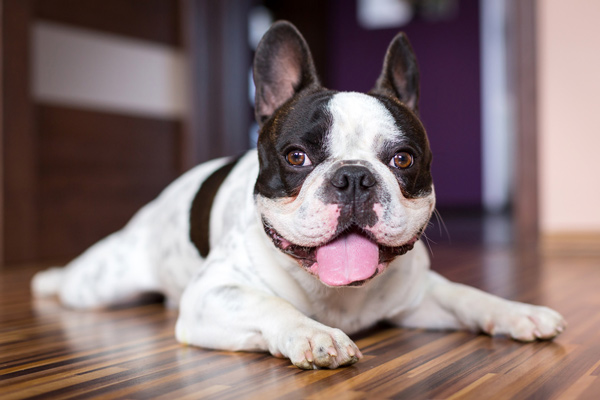
Wednesday, March 11, 2020

This Company Creates Hearing Protection for Military Dogs

The post This Company Creates Hearing Protection for Military Dogs by Jackie Brown appeared first on Dogster. Copying over entire articles infringes on copyright laws. You may not be aware of it, but all of these articles were assigned, contracted and paid for, so they aren't considered public domain. However, we appreciate that you like the article and would love it if you continued sharing just the first paragraph of an article, then linking out to the rest of the piece on Dogster.com.

From gunfire to helicopters, military working dogs are exposed to loud noises while training and performing their jobs. Have you ever wondered if military dogs wear ear protection?

Zeteo Tech, Inc., and Pete “Skip” Scheifele MD, PhD, a retired Navy lieutenant commander, professor at the University of Cincinnati and leading animal audiology expert, partnered together to create the Canine Auditory Protection System (CAPS). Intended to prevent short-term hearing loss in working dogs, the CAPS fits snuggly over the head like a snood. The CAPS is easy for handlers to put on dogs, lightweight and flexible, so as not to hinder the dogs’ performance.

Top Photograph: Zeteo Tech

Read Next: U.S. Marine Brings Home Dog from Afghanistan

The post This Company Creates Hearing Protection for Military Dogs by Jackie Brown appeared first on Dogster. Copying over entire articles infringes on copyright laws. You may not be aware of it, but all of these articles were assigned, contracted and paid for, so they aren't considered public domain. However, we appreciate that you like the article and would love it if you continued sharing just the first paragraph of an article, then linking out to the rest of the piece on Dogster.com.

Via Dogster https://www.dogster.com